
How to Choose the Right Solar System for Your Home or Business
As the benefits of solar energy become increasingly evident, more homeowners and businesses are considering making the switch to renewable power. However, with a wide range of solar system options available, choosing the right one can be a daunting task. Selecting the most suitable solar system for your specific needs requires careful consideration of factors such as energy requirements, available space, and budget. In this article, we will guide you through the process of choosing the perfect solar system that aligns with your unique requirements and ensures optimal efficiency and cost-effectiveness.
- Assess Your Energy Needs: The first step in choosing the right solar system is to assess your energy consumption patterns. Consider your average monthly electricity usage, peak energy demand, and any upcoming changes in your lifestyle or business operations. This evaluation will help determine the size and capacity of the solar system required to meet your energy needs adequately.
- Consider Available Space: The amount of available roof space or land is a crucial factor when choosing a solar system. Different types of solar panels have varying space requirements and efficiency levels. If you have limited roof space, higher-efficiency panels might be a better choice to generate more power in a compact area. On the other hand, if space is not a concern, standard panels may offer a cost-effective solution.
- Evaluate Budget and Financing Options: Your budget will play a significant role in determining the type of solar system you can install. While solar investments offer long-term savings, it’s essential to consider your initial financial outlay. Evaluate financing options, such as loans, leasing programs, or government incentives, to make solar energy more accessible and affordable.
- Choose Between Grid-Tied or Off-Grid System: Decide whether you want a grid-tied solar system or an off-grid setup. Grid-tied systems are connected to the electricity grid and allow you to sell excess energy back to the utility company through net metering. Off-grid systems, on the other hand, require energy storage solutions like batteries and offer complete energy independence but are typically more expensive.
- Research Solar Panel Types: Solar panels come in various types, such as monocrystalline, polycrystalline, and thin-film. Each type has its advantages and suitability for different applications. Research the efficiency, lifespan, and cost of each panel type to determine which one best suits your needs and budget.
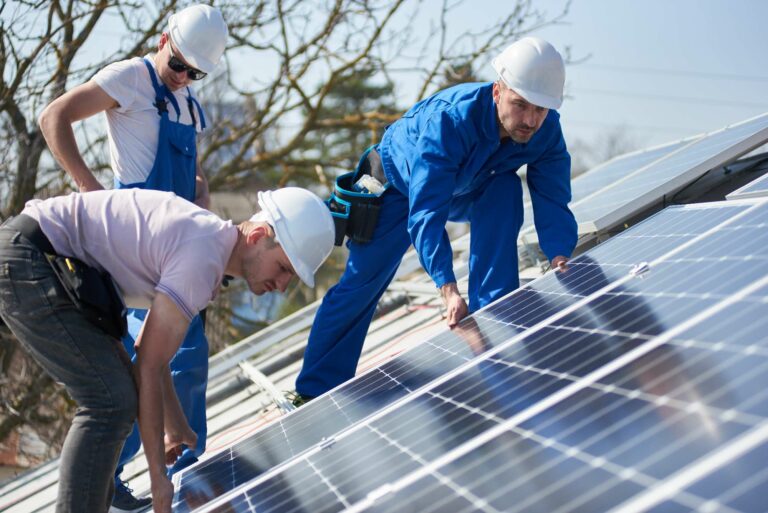
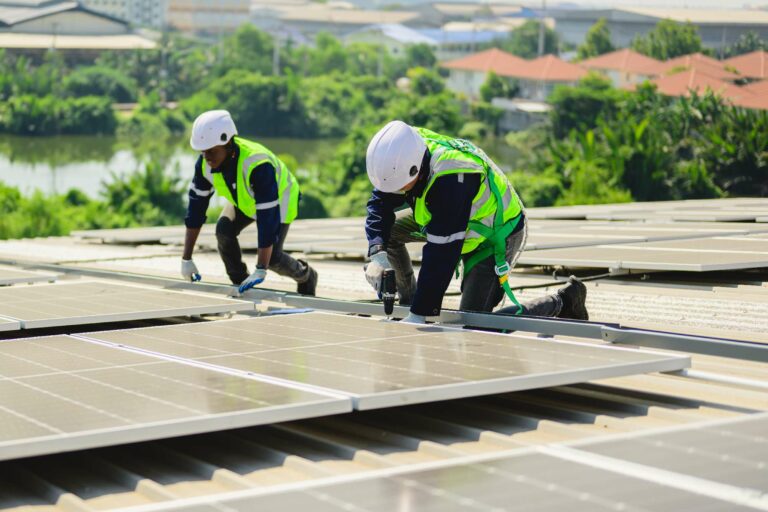
- Seek Professional Advice: Consulting with a reputable solar installation company is highly recommended. Professional solar experts can conduct on-site assessments, analyze your energy needs, and provide personalized recommendations based on your specific circumstances. Their expertise will ensure that you make an informed decision and achieve the highest level of solar system efficiency.
Conclusion: Choosing the right solar system for your home or business is a significant investment that requires careful consideration. By assessing your energy needs, evaluating available space, considering budget and financing options, and seeking professional advice, you can make a well-informed decision that meets your energy goals and aligns with your budget.
At Betta Solar, we understand that each customer’s requirements are unique. Our team of experts is dedicated to helping you navigate the solar system selection process, providing tailor-made solutions that maximize energy efficiency and savings.
Contact us today for a free consultation, and let us guide you on your journey towards embracing clean, sustainable solar energy. Together, we can create a greener and more energy-efficient future for your home or business.